Employers and trade unions in European audiovisual production met in Brussels and online to drive the sector’s green transition further, share what works on the ground and discuss how social dialogue can anchor sustainable practices for the long term.
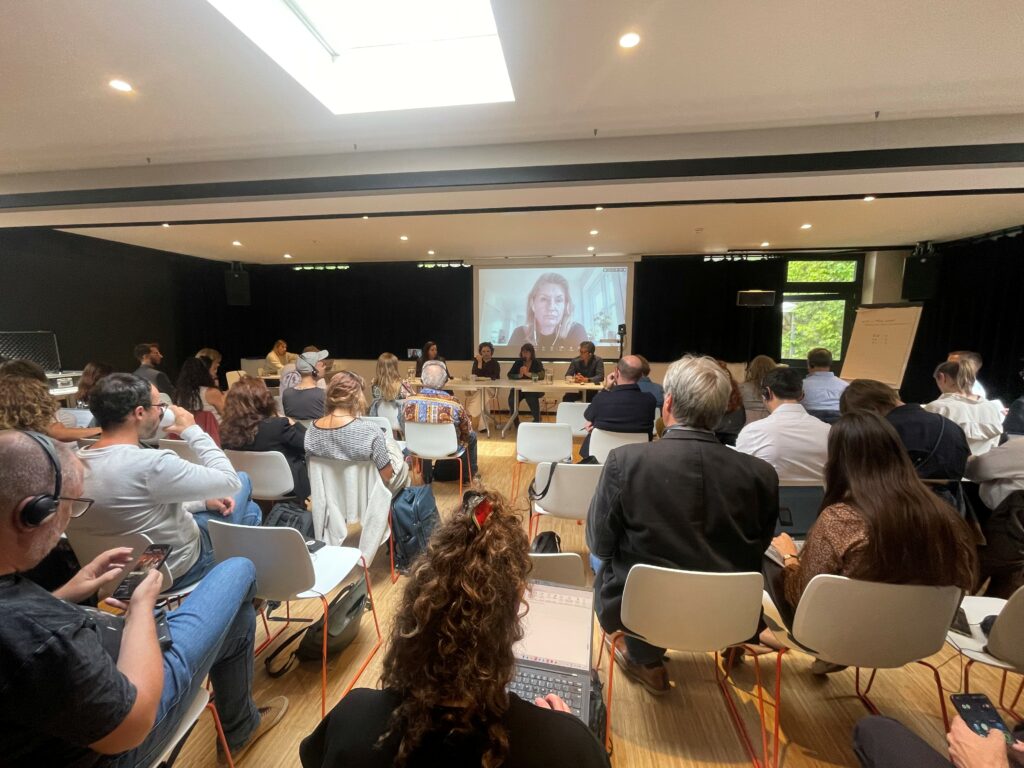
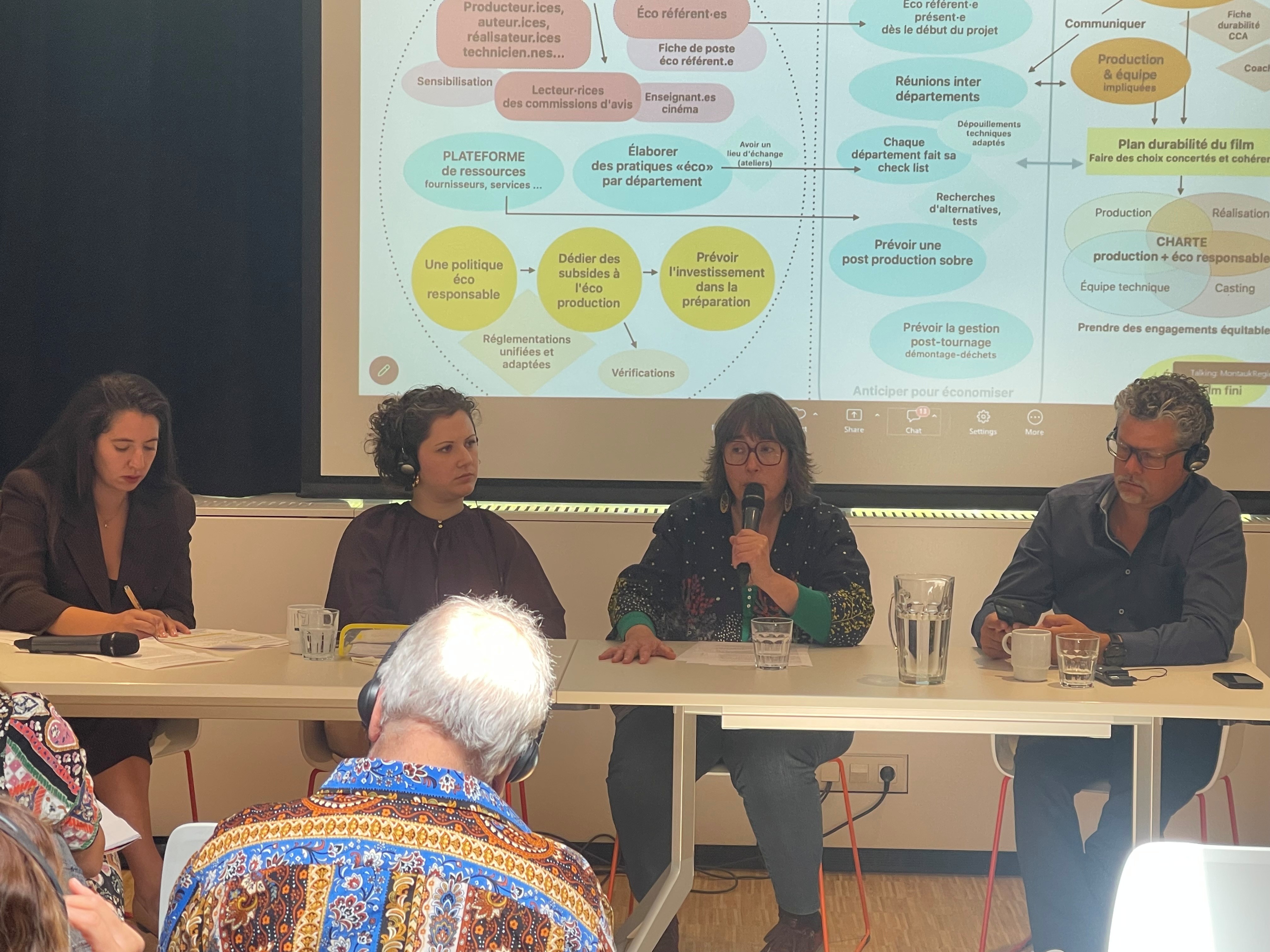
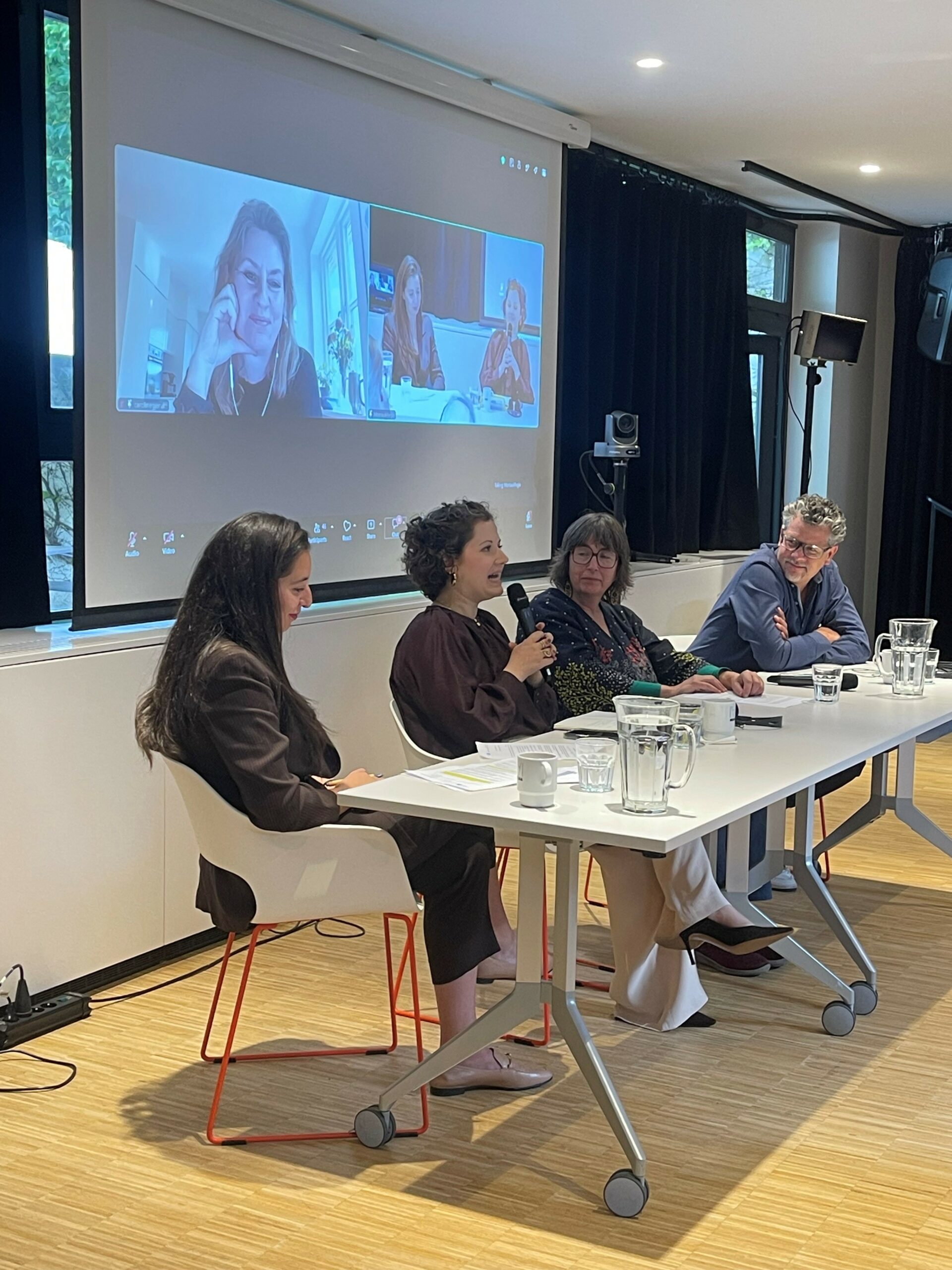
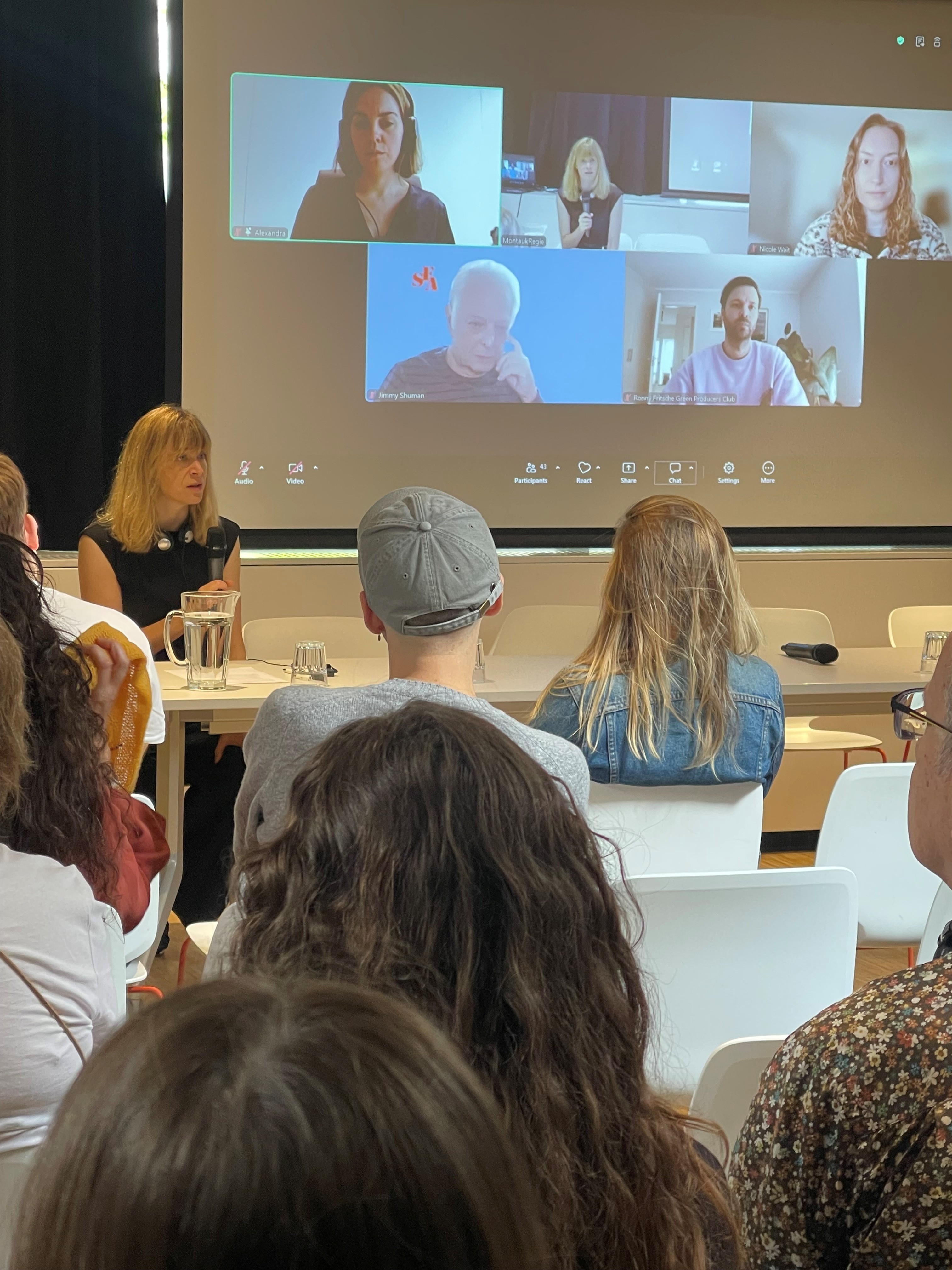
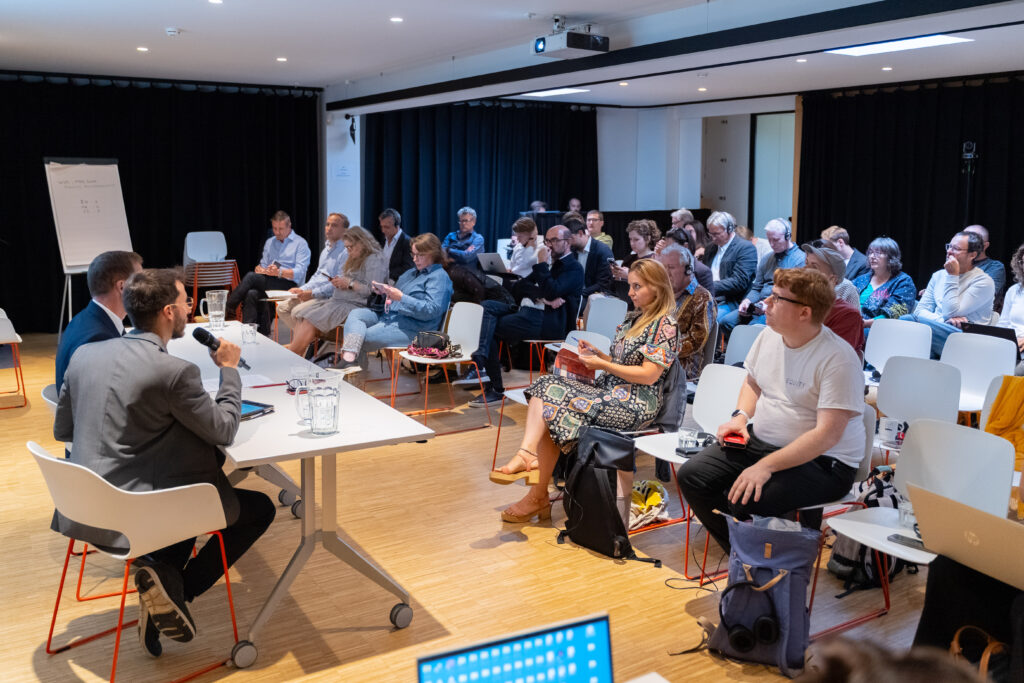
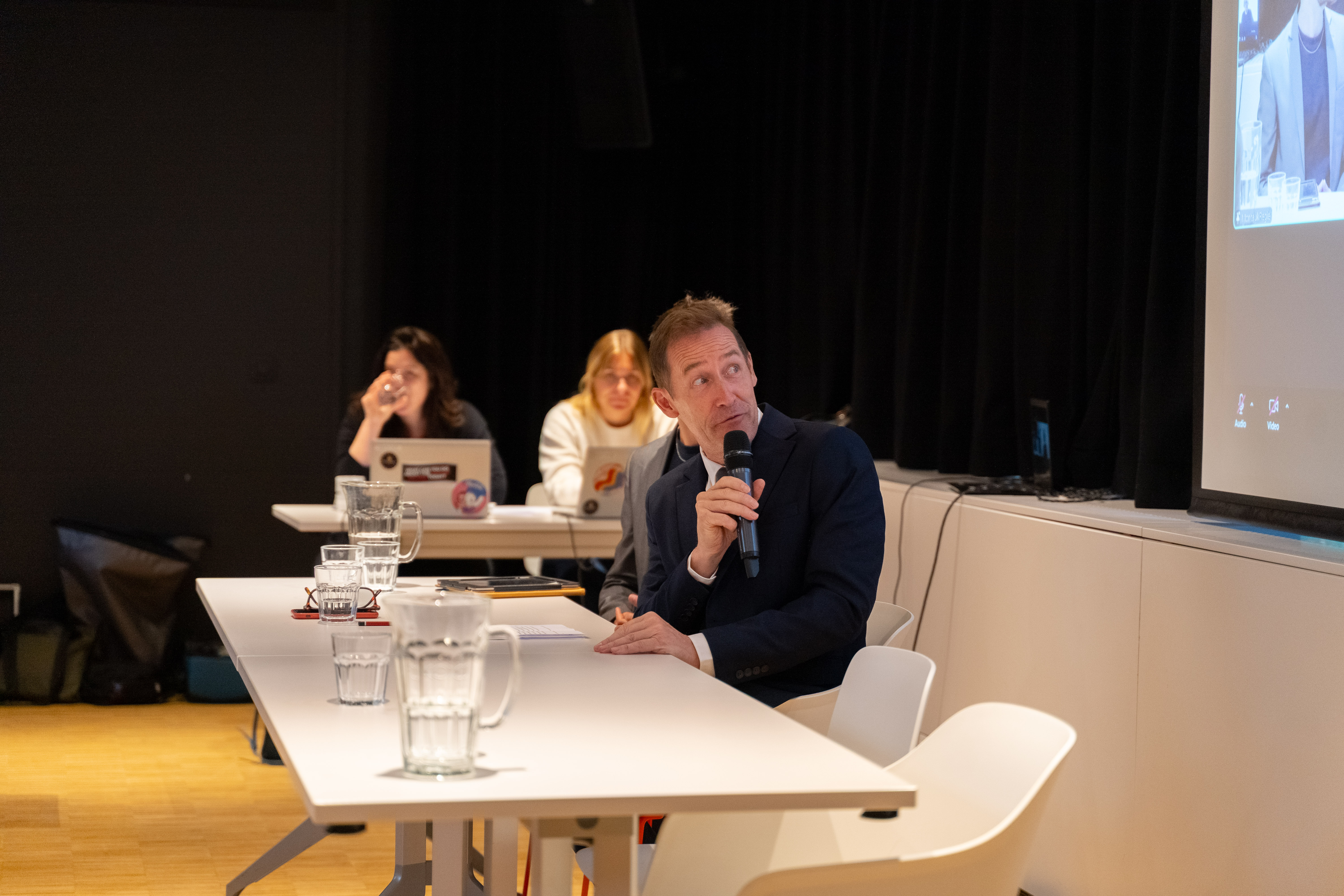
On 9 September 2026, the European social partners in the audiovisual sector held the first European workshop of their new EU co-funded project, Social dialogue enhancing the green transition in the European audiovisual sector. The hybrid event took place at MEDAA – Maison européenne des Auteurs et des Autrices in Brussels, and brought together producers, broadcasters, union representatives, film funds, film commissions, sustainability professionals and EU officials.
The event brought together more than 100 people between online and on-site attendance from 27 countries.
The project is implemented jointly by UNI Europa’s Media, Entertainment & Arts sector (EURO-MEI) and the European Audiovisual Production Association (CEPI), together with the European Broadcasting Union (EBU), the International Federation of Actors (FIA), the International Federation of Film Producers’ Associations (FIAPF) and the International Federation of Musicians (FIM). It builds on a first joint project on the green transition, which established cooperation among the social partners and produced an online database of resources and good practices, launched as the Green Toolkit Film & TV and now rebranded Green Dialogue Audiovisual.
The objective of the workshop was to share good practices and knowledge, and to build the capacity of social partners to do more for the green transition, by exchanging lessons learned from existing initiatives and exploring innovative solutions for the future.
Opening
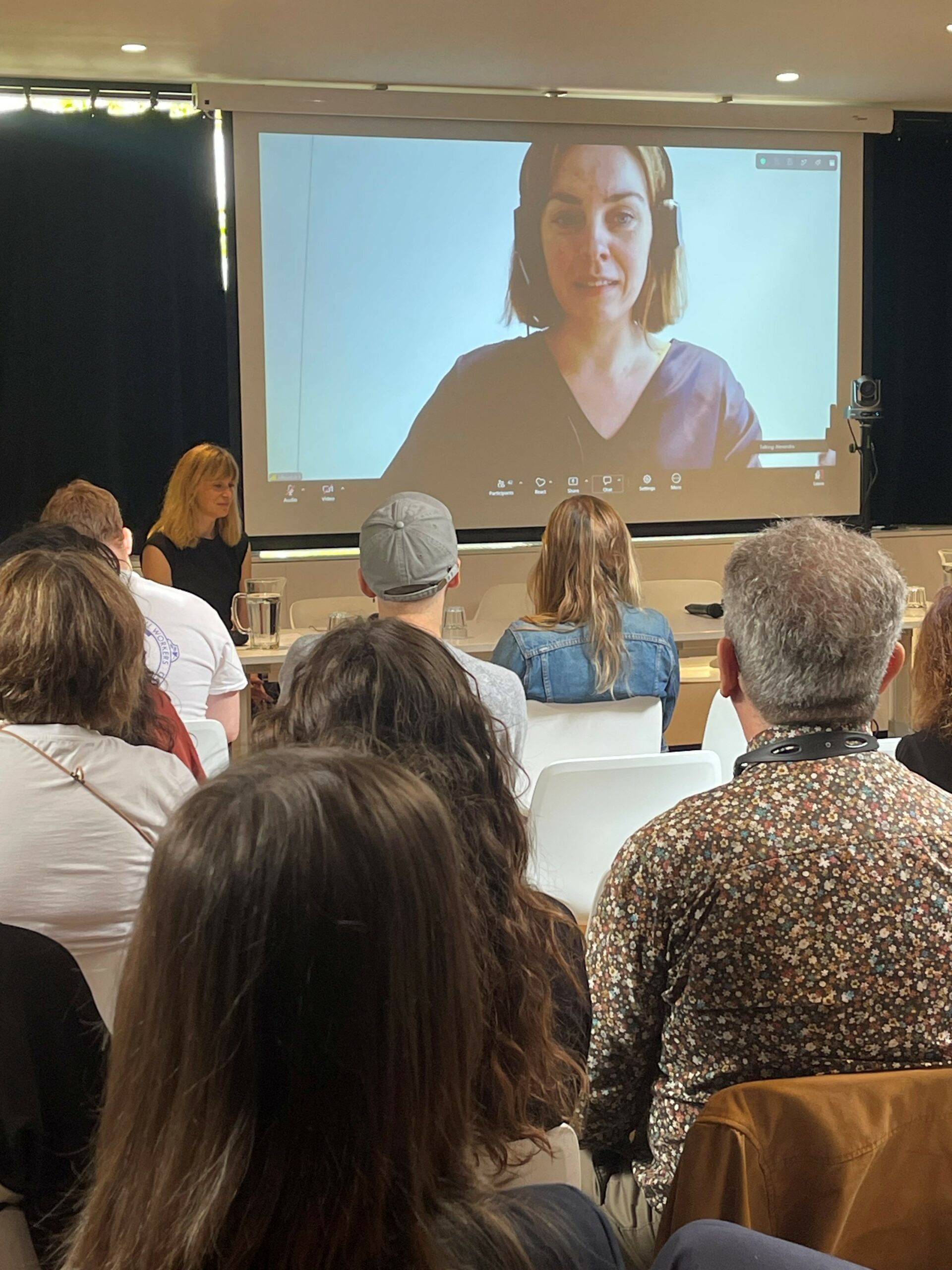
The workshop was opened by Dearbhal Murphy, Deputy General Secretary of FIA, on behalf of the project partners, and by Alexandra Nicolai of the Social Dialogue Unit of DG Employment (European Commission). Both stressed that social dialogue is key to making the green transition fair and lasting, through for ex. joint social partners’ agreements on skills or on new occupations.
Where we stand: the state of play
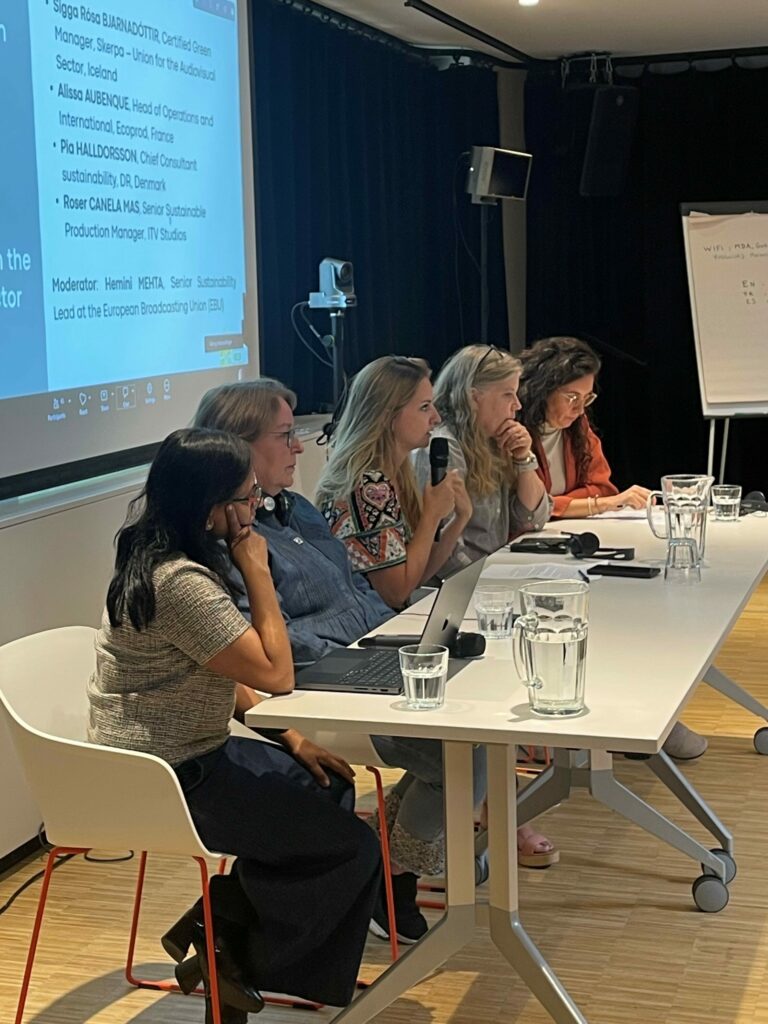
The first panel gathered perspectives from Iceland, France and the UK, with speakers from Skerpa – Union for the Audiovisual Sector, Ecoprod and ITV Studios, and painted an encouraging picture. In many countries, green production has moved from a “nice to have” to an embedded practice, driven by common standards such as the Nordic Ecological Standard, funding conditions and incentives, mandatory sustainability plans at broadcasters and growing demand from commissioners. Innovative approaches such as remote production and battery-powered sets have already cut the carbon footprint of some productions by more than two thirds, while also opening job opportunities to people who cannot travel for long periods.
Speakers agreed that the next step is to focus on the biggest impacts, transport and energy, and stressed the importance of simple standards that guide productions without creating a complex administrative burden. The sector does not need more tools, but training at all levels, collaboration, scientific research to support data-driven decisions, and a narrative that presents sustainability as a better way of producing, with economic and creative opportunities. There is still a long way to go, but a clear shift towards embedding sustainability in productions is already visible.
Local ecosystems, tools and skills for sustainability
The second panel looked at how local and national ecosystems drive the transition, with experiences from Belgium, Italy, Sweden and Denmark.
The session showcased inspiring models that others in Europe can build on. In a bottom-up approach, industry workers led by Hors Champ in French-speaking Belgium used collective intelligence to co-create a charter for eco-responsible filmmaking and practical sheets for each department. EcoMuvi, representing professional sustainability managers, showed how reliable data can generate savings for productions and unlock investment from suppliers, banks and insurers. In a top-down approach, Nordic film funds joined forces behind one common standard with a single reporting point, and in Denmark an alliance of financiers and producers trained around 100 line producers.
The lesson is that ecosystems progress fastest when all actors move together: anticipation and planning from the earliest stages, dedicated and recognised sustainability professionals, training for crews, producers and creatives, and common standards that reduce administration. Sustainability also emerged as a competitive advantage: a region that provides the right conditions and services to produce sustainably, in line with international standards, becomes more attractive than others. Moreover, a joint approach by institutions, organisations and workers in the field is essential to move forward effectively, with the right balance between top-down and bottom-up approaches.
The MEDIA carbon calculator
The second part of the day started with the presentation of the brand-new MEDIA carbon calculator by Alexander Riedl of DG CONNECT, European Commission, and Florian Reimann, CEO of Yamdu, the company that developed the calculator, who joined online. Launched in late 2025, the tool is a free web application accessible with an EU Login account. It relies on national emission factors for EU countries and offers an open API for integration with other tools. The Commission presented it as a way to raise awareness and foster convergence between existing calculators: rather than imposing a single tool, the aim is a common system to calculate emissions in a consistent and comparable way. The Commission also mentioned that further developments to improve the calculator are foreseen.
The exchange that followed showed that the sector’s expectations are high. Questions focused on how the calculator will relate to the national tools and certifications already in use, on the robustness and auditability of its data, and on the need to avoid additional administrative burden, particularly in co-productions, which need to use different carbon calculators to comply with different standards depending on the country of shooting. Several of these points remain open and will require continued dialogue between the Commission and the sector in the months ahead.
Sector initiatives and policies for sustainability
The final panel explored what the sector can achieve collectively, with speakers from France, the UK, Italy and the Czech Republic.
The initiatives presented show that collective action is already anchoring change. In France, social partners have accompanied the emergence of a new profession, the eco-production coordinator, with a dedicated certification and ongoing discussions to include it in collective agreements. In the UK, the actors’ Green Rider is moving from a voluntary “handshake agreement” into contracts with producers. Regional funding incentives backed by independent certification have spread across Europe through Cine-Regio, supported by research showing that sustainable practices are often compatible with economic efficiency. The animation sector is developing approaches suited to studio-based work, and multi-stakeholder platforms are turning shared guidelines into input for public funding schemes.
Together, these experiences confirm that social dialogue, contracts, training and funding criteria are powerful levers, and that sharing solutions across borders helps everyone move faster.
Key outcomes and the ways ahead
Across the sessions, a shared message emerged: the sector does not lack tools, but needs mutual recognition and a common language for measuring impact. Sustainability works best when it is embedded from development and financing, carried by trained and recognised professionals, and shared fairly across the whole production.
Social partners have a central role to play in anchoring these practices for the long term, through collective bargaining, skills and training, and constructive dialogue between industry, unions and policymakers at national and European level.
This first European workshop showed that much has already been achieved across Europe, and that many of the questions raised in one country have already found answers elsewhere. Connecting these initiatives, from employers’ green production groups to union networks, film funds and sustainability professionals, is precisely where European social dialogue brings added value.
The project will continue in the coming months with a webinar, a second European workshop and a final conference, alongside the continuous updating of the Green Dialogue Audiovisual database, to which all stakeholders are invited to contribute resources.